
tango: a passion beyond words
Benvenuto/a a Tangocultura.com, il tuo portale nel profondo e affascinante mondo del Tango Argentino. Più che una semplice danza o un genere musicale, il Tango è una cultura viva, un'espressione dell'anima nata nelle strade di Buenos Aires che ha conquistato cuori in tutto il mondo.
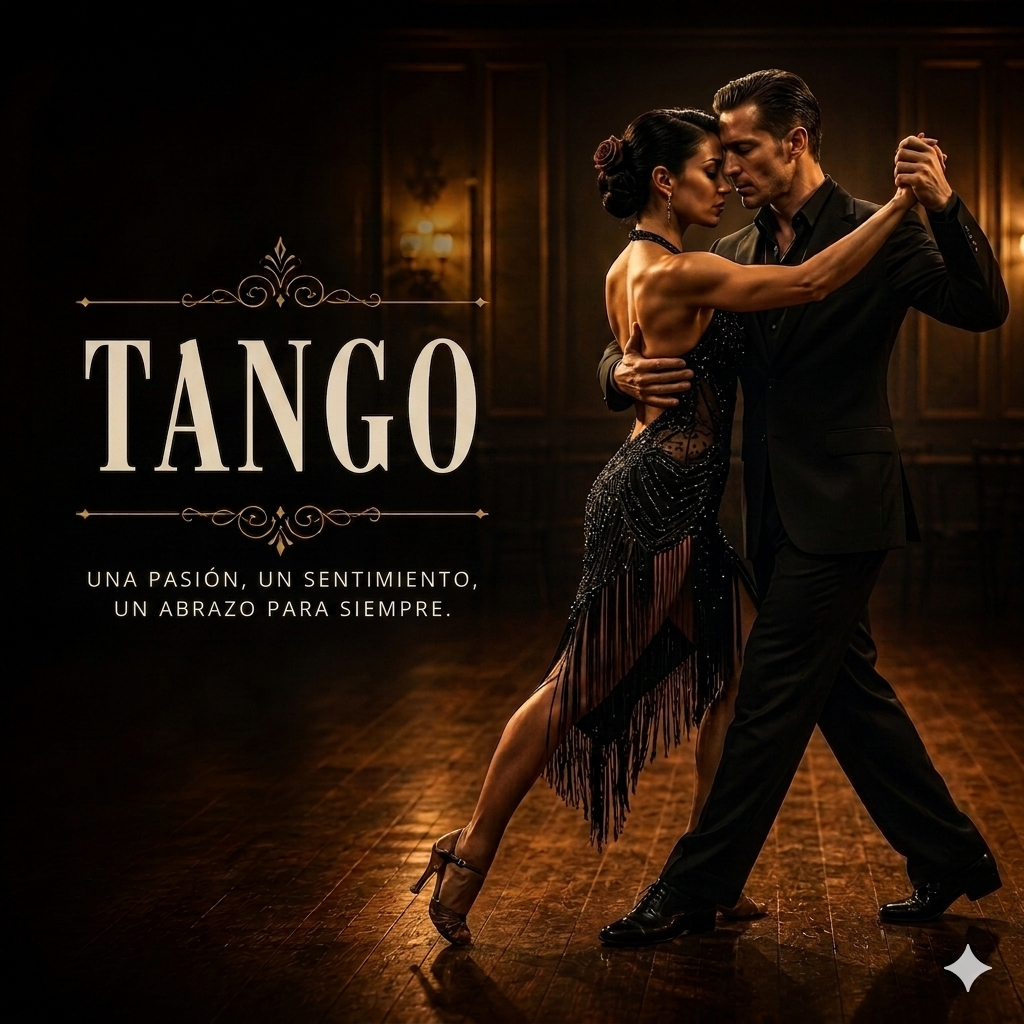
TANGO
Experience the soul of Argentina through this deep dance of connection. Master the technique, embrace the passion, and feel the music’s embrace.
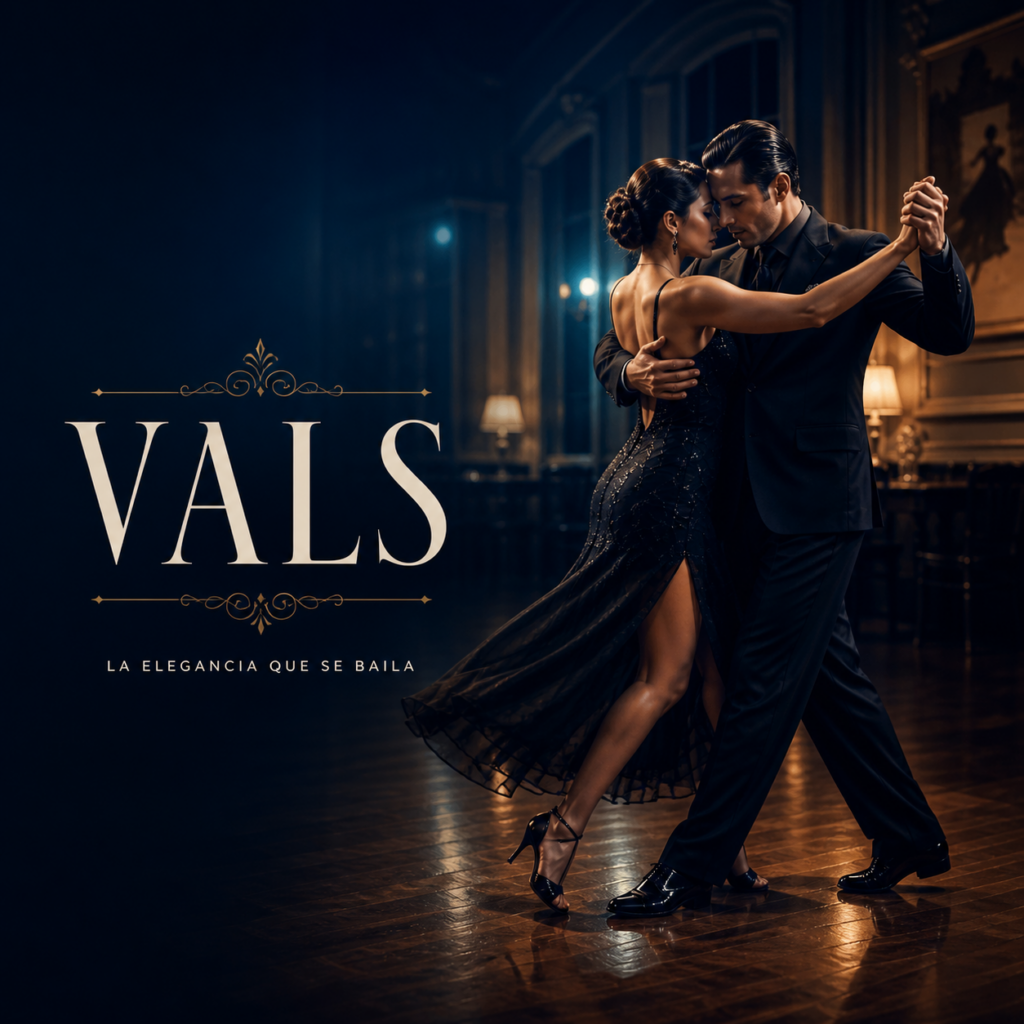
VALS
Flow with the elegant rhythm of the 3/4 beat. A beautiful blend of classical grace and tango dynamics that creates pure harmony on the floor.
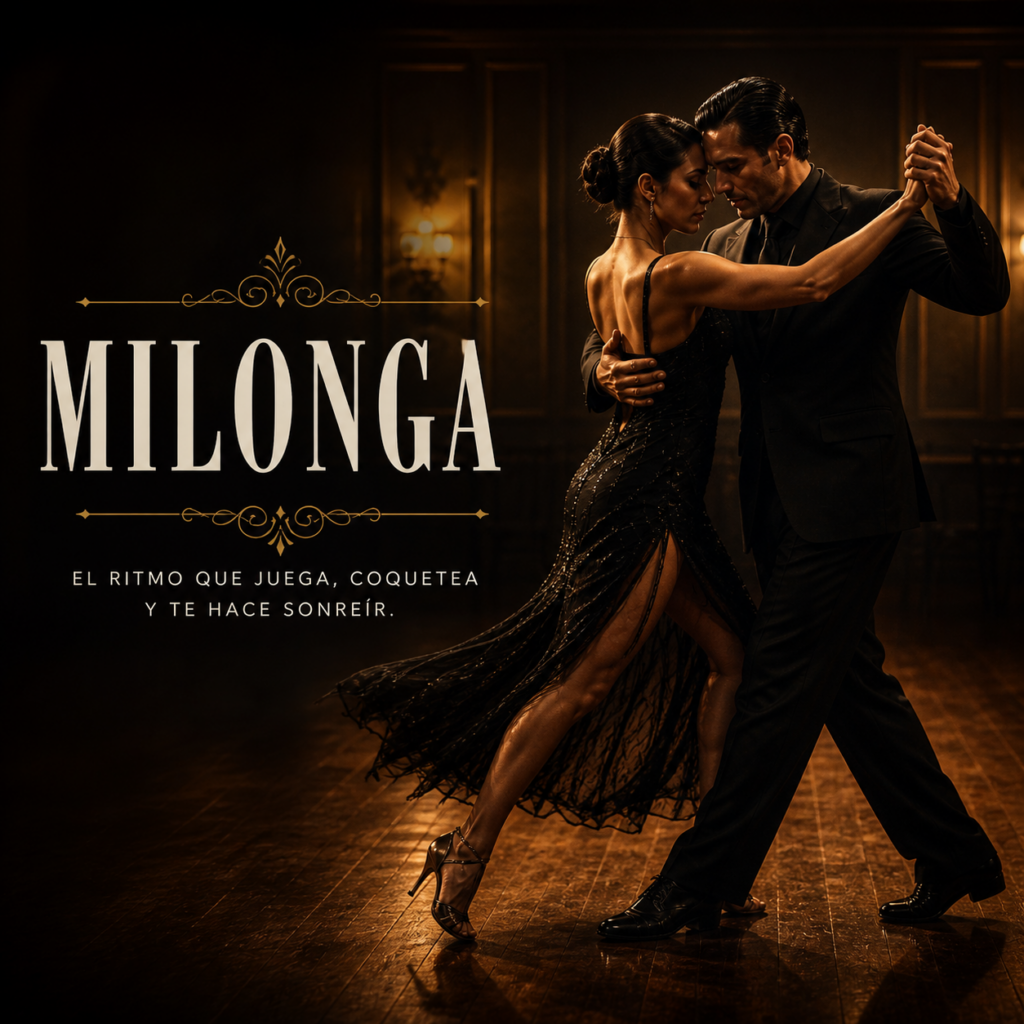
MILONGA
Discover the joyful and rhythmic spirit of the milonga. A fast, playful dance that focuses on fun footwork and a lively connection with others.
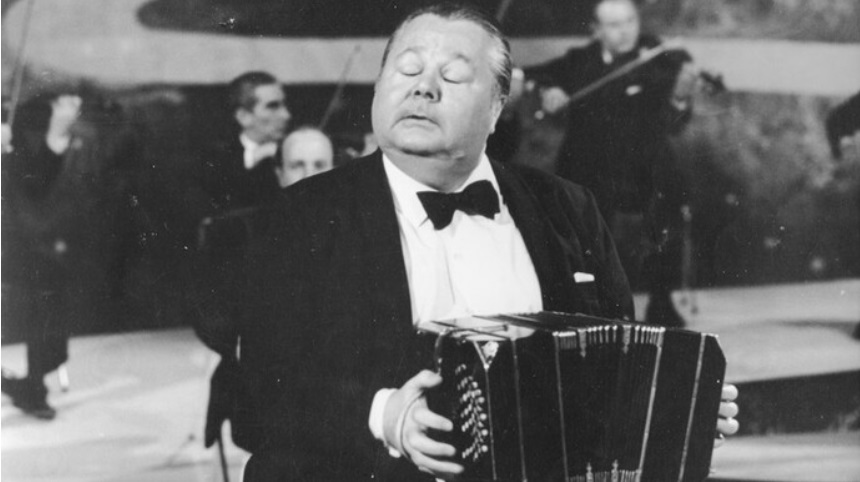
"El tango te espera. El tango es una cosa que anda por ahí, que flota en el aire, y un día te agarra.""
Anibal Troilo
Tango: A Journey Through Identity, History, and the Rioplatense Soul
Tango is not merely a musical genre, a dance, or an isolated poetic expression; it is a complete cultural ecosystem. Born on the shores of the Río de la Plata, it has evolved from its humble and once-forbidden roots into a symbol of sophistication recognized by UNESCO as Intangible Cultural Heritage of Humanity. It is, in essence, the narrative of nostalgia, heartbreak, the search for identity, and human passion set to rhythm.
Genesis: The Melting Pot of the Suburbs
In the late 19th century, Buenos Aires and Montevideo underwent an unprecedented demographic transformation. The massive arrival of European immigrants (Italians, Spaniards, Jews, Germans) mingled in the “conventillos” (tenement houses) with the native Creole population and descendants of enslaved Africans.
In this cultural crucible, various rhythms intertwined:
The Cuban Habanera: Provided the rhythmic foundation and sensuality.
Candombe: Of African heritage, it left its mark on percussion and movement.
Milonga Campera: The music of the gaucho that migrated from the countryside to the city.
Originally, tango was danced by men on street corners or in brothels and was despised by the upper classes as “vulgar.” However, its power of cultural synthesis was so potent that it eventually conquered Paris in the 1910s, finally forcing the Argentine aristocracy to accept it as their own.
Instrumentation: The Mystery of the Bandoneon
If tango has a voice, it belongs to the bandoneon. Curiously, this instrument was created in Germany for religious services where organs were unavailable. However, upon reaching the Río de la Plata, it found its true soul. Its sound, which seems to breathe and complain simultaneously, defines the genre’s inherent melancholy.
The classic formation, the Orquesta Típica, was consolidated with a structure that allows for a robust yet nuanced sound:
String Section: Violins, viola, and cello.
Bandoneon Section: The rhythmic and melodic heart.
Piano and Double Bass: The pulse that sustains the structure (the “marcato”).
The Orchestras and the Golden Age
If tango has a voice, it belongs to the bandoneon. Curiously, this instrument was created in Germany for religious services where organs were unavailable. However, upon reaching the Río de la Plata, it found its true soul. Its sound, which seems to breathe and complain simultaneously, defines the genre’s inherent melancholy.
The classic formation, the Orquesta Típica, was consolidated with a structure that allows for a robust yet nuanced sound:
String Section: Violins, viola, and cello.
Bandoneon Section: The rhythmic and melodic heart.
Piano and Double Bass: The pulse that sustains the structure (the “marcato”).
The Revolution of Astor Piazzolla
By the mid-1950s, traditional tango began to lose ground to rock and pop. It was then that the figure of Astor Piazzolla emerged. Trained by classical masters and having played with Troilo, Piazzolla decided that tango had to evolve.
He introduced the electric guitar, jazz rhythms, and contemporary music structures. Though harshly criticized by conservatives, his work (such as “Adiós Nonino” or “Libertango”) rescued tango from extinction, taking it from the milongas to the world’s most prestigious stages, such as Carnegie Hall and the Paris Opera.
The Modern Legacy
Today, tango is experiencing a global renaissance. It is no longer confined to Argentina and Uruguay; vibrant communities exist in Berlin, Tokyo, Istanbul, and New York.
Tango Dance has evolved into more complex forms of improvisation, while new “typical orchestras” (like the Orquesta Típica Fernández Fierro) keep the genre’s rebellious and powerful spirit alive. This proves that tango is not a museum piece, but a living organism that breathes, changes, and continues to move anyone who dares to take the first step onto the floor.